Which Liens Survive a Tax Deed Sale? The Complete Guide
James K. Quigg
Author, Tax Deed Investing Guide
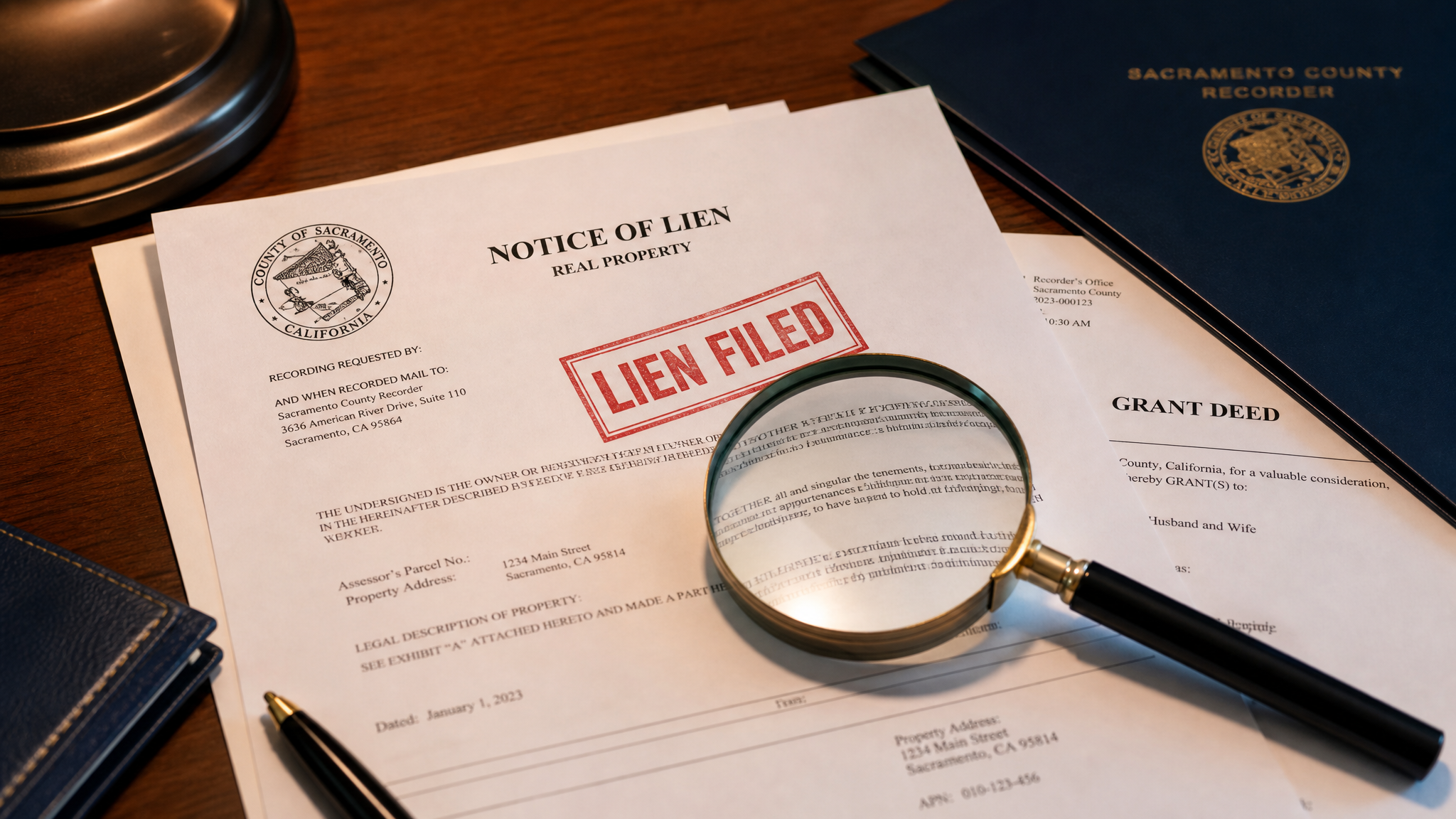
The Dangerous Myth of "Clean Title"
I cannot tell you how many times I've heard this from new investors: "But the county sold it, so the title must be clean, right?"
Wrong. Critically, dangerously wrong.
A tax deed sale extinguishes most liens and encumbrances, but several categories of liens have legal priority that survives the auction. Understanding which ones survive — and how to identify them before you bid — is arguably the single most important due diligence skill a tax deed investor can develop.
Liens That Typically Survive a Tax Deed Sale
1. Federal Tax Liens (IRS)
This is the big one. Under 26 U.S.C. §7425(d), the IRS has a 120-day right of redemption after a nonjudicial sale when a federal tax lien was of record — during this period, the IRS can reimburse your purchase price and reclaim the property. (The related 25-day pre-sale notice requirement that determines whether the lien is discharged at all appears in §7425(b) and (c).)
But here's the real risk: if the IRS wasn't properly notified of the tax sale, their lien may not have been extinguished at all. There are documented situations where a federal tax lien survived a sale because the county failed to send proper notice to the IRS.
How to check: Search the county recorder's office for IRS liens and also check the federal tax lien database. This is one of the seven documents in our free Due Diligence Bundle.
2. Municipal and Special Assessment Liens
Code enforcement liens, demolition liens, utility liens, and special assessment districts can survive tax deed sales in many jurisdictions. These are particularly treacherous because they're not always recorded in the same place as traditional liens.
As a hypothetical example, a property could carry thousands of dollars in accumulated code-enforcement fines that survive the tax deed sale — an investor might not discover them until the city sends a demand letter.
3. HOA Super Liens
In states with genuine HOA super-lien statutes (such as Nevada and Colorado), a homeowners association's lien for a limited number of months of unpaid assessments can have priority over even a first mortgage. Whether any HOA balance survives a tax deed specifically depends on state law and lien priority — in Florida, for example, a tax deed generally extinguishes the prior owner's assessments, so do not assume the rules are the same in every "super-lien" state. Confirm the exact statute for the property's state before you bid.
4. Environmental Contamination Liability
Under CERCLA (the federal Superfund law), liability for environmental contamination can attach to the current owner of the land regardless of who caused it, unless a statutory defense applies. If you purchase a tax deed property that has underground storage tanks, contaminated soil, or other environmental issues, you may be responsible for cleanup costs that can easily exceed the property's value.
5. Easements and Restrictive Covenants
These are not liens in the traditional sense, but they survive virtually every type of sale, including tax deed auctions. A utility easement, a shared driveway agreement, or deed restrictions limiting property use will remain in effect.
Liens That Are Typically Extinguished
- Mortgages and deeds of trust
- Judgment liens from civil lawsuits
- Mechanic's liens (in most states)
- Most private liens and encumbrances
The Due Diligence Process
Before bidding on any tax deed property, you should:
- Run a full title search going back at least 20 years
- Check federal tax lien records at both the county and IRS level
- Contact the municipality for any outstanding code violations, demolition orders, or special assessments
- Search HOA records for unpaid assessments
- Order a Phase I environmental assessment for commercial properties or any property with suspected contamination
- Review all easements and covenants recorded against the property
The Bottom Line
The difference between a successful tax deed investor and one who gets burned almost always comes down to lien research. Every dollar you spend on pre-bid due diligence is insurance against potentially catastrophic surprises.
Sources & Primary References
Legal statements in this article are grounded in the primary sources below. Statutes and agency rules change — always confirm the current text with the official source and, for a specific property, consult a licensed attorney or title professional.
- 26 U.S.C. § 7425 (Discharge / Redemption of Federal Tax Liens)
- 26 U.S.C. § 6335 (Sale of Seized Property)
- Texas Tax Code, Chapter 34 (Tax Sales & Redemption)
- Texas Property Code, Chapter 209 (Residential Property Owners Protection Act)
Reviewed by James K. Quigg. Spotted an error? Report it here.
Last reviewed August 9, 2026Free 7-Document Due Diligence Bundle
Get the printable checklists, worksheets, and reference guides mentioned in this article — completely free.
Want the Complete System?
This article covers one piece of the puzzle. The book gives you the entire due diligence system — 163 pages of practical due diligence guidance.
Get the Book